
Airway & Growth Orthodontics · Morristown, NJ
Early treatment for how your child breathes, sleeps, and grows.
Narrow jaws, mouth breathing, and poor sleep in children are often connected and often addressable. Dr. Gonchar's NYU craniofacial fellowship focused on exactly this. Early evaluation costs nothing and can change everything.
Early Signs
Does your child do any of these?
Breathes through their mouth, especially at night or at rest
Snores or has noisy breathing during sleep
Wakes up frequently or has restless sleep
Always looks tired even after a full night of sleep
Has trouble focusing, staying still, or diagnosed with ADHD
Has crowded teeth, a narrow upper jaw, or a forward head posture


Why breathing affects everything.
When children breathe properly through their nose, their jaws grow wider and more forward, their faces develop symmetrically, their airways stay open during sleep, and they sleep better and focus better. When children breathe through their mouth, the upper jaw grows narrow, the face grows long and downward, the lower jaw sits back, restricting the airway.
How we help your child breathe better
1
Palatal expander (RPE)
Gently widens the upper jaw over several months. Most effective while the palate is still growing (before age 12). Creates more room for teeth and opens nasal passages.
2
Phase 1 partial braces
Address bite and alignment issues during jaw development. Often reduces Phase 2 complexity or eliminates it.
3
Functional appliances
Guide jaw position and growth. Used for specific skeletal patterns identified at evaluation. Examples: Twin Block, Herbst appliance, reverse pull headgear.
4
ENT coordination
When enlarged tonsils, allergies, or suspected sleep apnea are present, we provide a referral with clear guidance.
5
Myofunctional therapy referral
Exercises to retrain mouth and tongue muscles. We work with certified myofunctional therapists in Morris County and refer when appropriate.
More than straight teeth. Better health.
Airway-focused orthodontics considers jaw development and breathing, not just how teeth look. NYU fellowship training.
"Most people start orthodontic treatment without knowing the real cost or timeline. I believe you deserve complete clarity before you commit. That's why we show you your exact plan and exact price on day one — no pressure, no surprises."
— Dr. Marina Gonchar, DMD, MS

What early treatment looks like and what comes after.
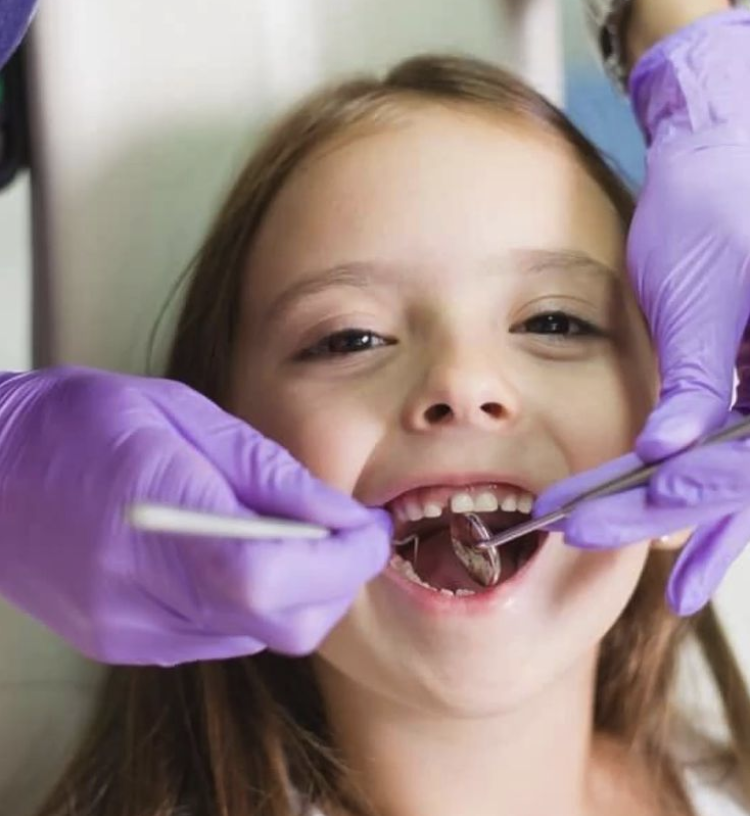
Phase 1
Phase 1 Goal
• Guide jaw growth while bones are still developing
• Create space for permanent teeth
• Improve breathing and airway
• Simplify or eliminate Phase 2
Phase 1 Typical Duration
9–18 months active treatment · Followed by monitoring period

Phase 2
Phase 2 Credit
Final alignment and bite correction, ages 12–14+. Not all patients need Phase 2. Some early treatment cases are complete after Phase 1.
Cost
Phase 1 airway and growth treatment: $2,500–$3,500 typical.
Insurance often covers Phase 1.
Real Smiles. Real Stories.
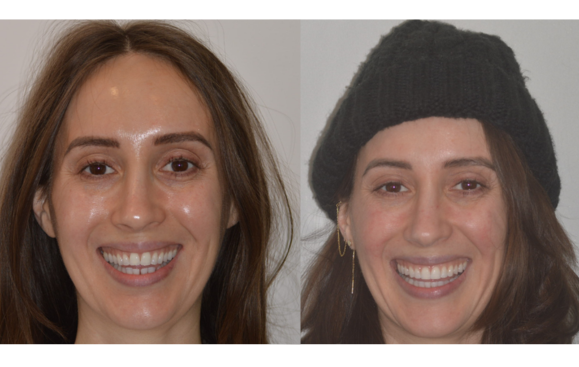
Adult Invisalign
14 mos
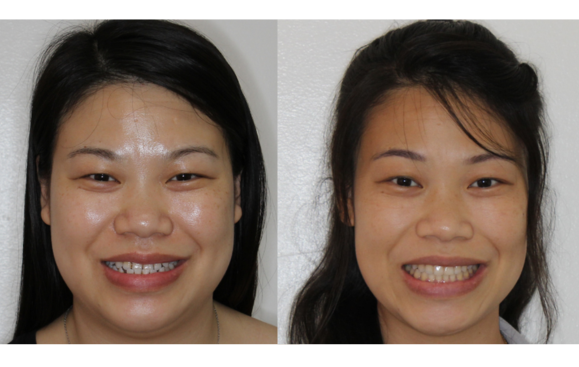
Adult Invisalign
24 mos
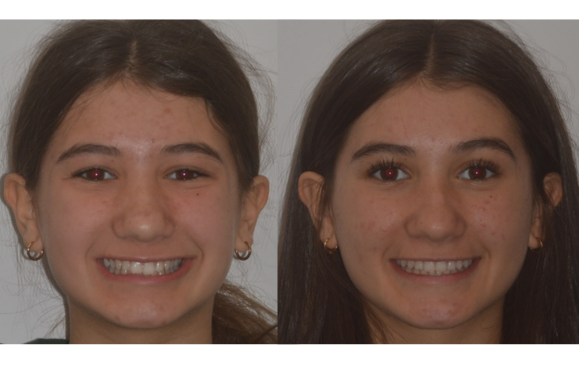
Teen Braces
12 mos

Teen Invisalign
18 mos
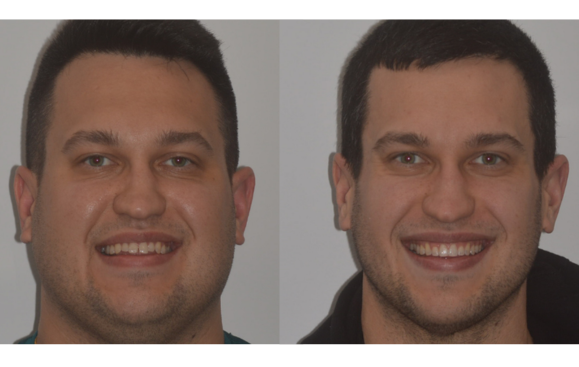
Adult Invisalign
16 mos
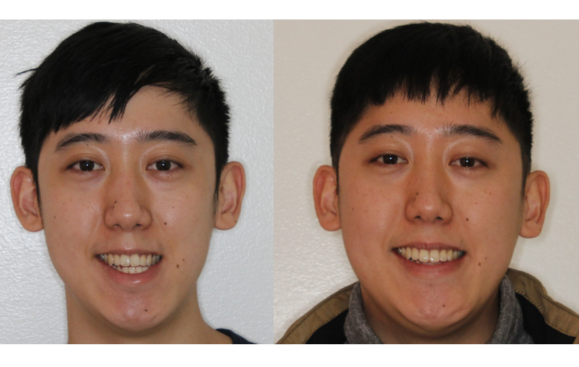
Adult Braces+Jaw Surgery
24 mos

Teen Braces
14 mos
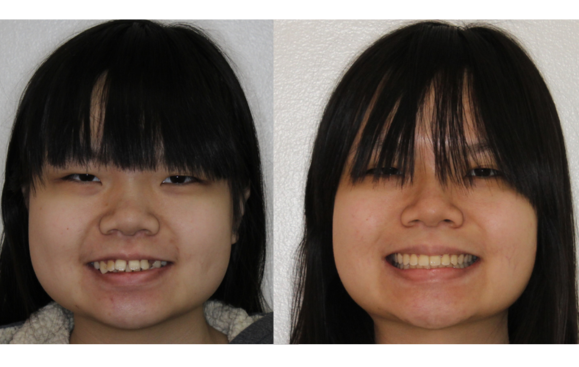
Teen Braces
18 mos

Palate Expansion+Braces
9 mos
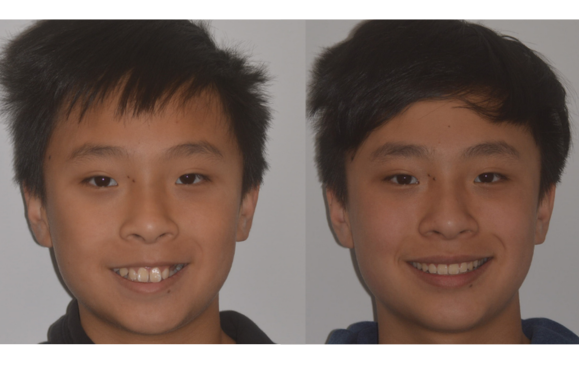
Teen Braces
16 mos

Adult Braces
20 mos
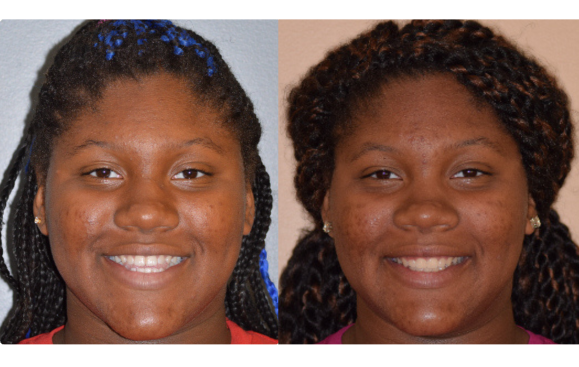
Teen Braces+Jaw Surgery
22 mos

Adult Invisalign
18 mos
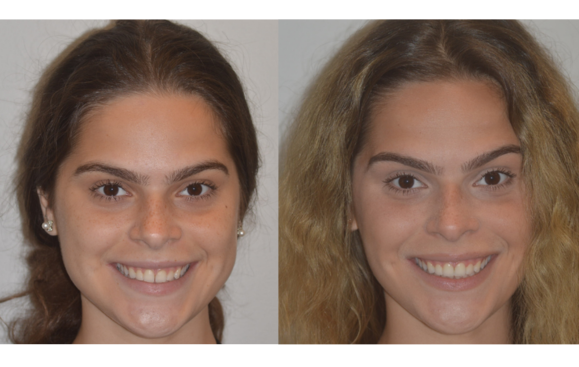
Adult Invisalign
9 mos

Teen Invisalign
16 mos
Word of Mouth

Great staff! Had a great experience here — will definitely be back
Great office! Loved the service — the team is warm, professional, and made me feel at ease
All upscale, new equipment. A very friendly and professional doctor who makes me feel secure and welcome. Definitely going to return!
Dr. Gonchar is an amazing doctor — I had a very good experience here!
Friendly staff who answered all my questions. Highly recommend!
Amazing experience with Dr. Marina — she truly cares about the patient experience
Great office, very welcoming! Definitely recommend!
I was referred by a friend and I'm completely happy with the services and amazing customer service!
Dr. Marina is an amazing orthodontist! She took time to listen to my needs and concerns and was very thorough when explaining the treatment. She is kind and gentle and the office is beautiful and immaculate
Loved the experience here — everyone was very welcoming! Definitely recommend
Highly recommend — the staff was very attentive and had no issues answering all my questions!
I was extremely satisfied and happy with my results. The staff is very professional and will answer all your questions
Dr. Gonchar is bar none! I hope you are lucky enough to find her for your orthodontic needs
I had the best experience with this office. I wasn't very confident about my smile, but I am a changed woman. Now I smile all the time!
I wish I had an orthodontist like Dr. Gonchar when I was growing up. She is so sweet, professional, organized, and thorough. Her office is clean, the atmosphere is relaxing, and the staff is so friendly
Just had my first appointment with Dr. Gonchar. She was so kind and listened to my concerns. I can't wait to start my treatment! In addition to an amazing staff, the office was beautiful. An all-around wonderful experience
Dr. Gonchar is absolutely incredible! She listened attentively to my concerns and values me as a patient and as a person. She has an eye for perfection! You can expect great results under her care
Patients are not just a number to Dr. Gonchar — she pays attention to specific concerns and makes sure they are addressed. I recommend her for whoever wants a beautiful, straight smile in a welcoming environment
Dr. Marina and her staff are amazing! She is kind, thoughtful, and extremely knowledgeable. Dr. Marina genuinely cares about her patients and it shows through the incredible work that she does. Cannot recommend her enough!
Best orthodontic work ever! Dr. Marina absolutely delivered. The whole team is great
I was having awful jaw pain as a result of teeth grinding and a misaligned bite. Dr. Gonchar was able to communicate very clearly what all my options were. I ended up choosing the Invisalign option and she was absolutely brilliant in guiding me through treatment. My jaw pain has improved significantly
Dr. Gonchar is very nice and attentive to my questions and concerns. I felt very welcome during my visit and will definitely recommend her to my family and friends!
Dr. Marina and her staff dispense outstanding service and exceptional care of patients. The professionalism and warmth in this office is evident from the moment you walk in
Dr. Marina is an amazing orthodontist! I felt very comfortable during every visit. Definitely will recommend family and friends!
Dr. Marina and her team are wonderful! I was seen on time and the office staff was very attentive. Highly recommend this office!
Dr. Marina is amazing — she offers not only outstanding results but wonderful professional, friendly care that makes every visit painless and even enjoyable! I would highly recommend her to anyone in need of orthodontic care
A great orthodontist and a great experience! Dr. Gonchar is very kind, courteous, and professional. She provided excellent service and I couldn't be happier with my results. I would highly recommend her to anyone!
I want to truly thank Dr. Gonchar for her amazing work and dedication to my smile and teeth. She always listened to me, made me feel heard, and explained every detail of the process. I always feel at ease with Dr. Gonchar
Had an excellent experience here from the very beginning of my appointment to the very end. Was greeted with such lovely enthusiasm, treatment planned by the lovely staff, and received treatment the very same day I went in!
We have had two orthodontic emergencies — which occurred after hours at most offices — and for both instances Dr. Gonchar was incredibly responsive and available. That kind of dedication is rare and deeply appreciated
Dr. Gonchar is the best! She fully and clearly explains the process in a gentle, understandable manner and makes going to the orthodontist a pleasure. Her office is clean, welcoming, and entertaining
Dr. Marina did an amazing job helping me achieve the smile I've always wanted. She would take the time to explain the process and steps of my treatment. She was very understanding and would take time to help make adjustments when needed
Dr. Marina is the best orthodontist there is. If anyone is looking for braces or Invisalign, she's the one. The entire staff is very polite and the best part is they work with your schedule. I am extremely happy with my results!
We've had a great experience with Dr. Marina and her orthodontic office. She is very kind, patient, and takes the time to explain everything so my girls feel comfortable during their visits. The staff is friendly and the office is clean
Dr. Marina Gonchar is a top-notch orthodontist and amazing with children!
Dr. Marina was a great orthodontist. She is very experienced, knowledgeable, and super nice. Some orthodontists are very pushy — she is kind, patient, and truly listens to her patients
We are so happy with the children's new smiles. Dr. Marina, you conduct yourself with extreme professionalism and are wonderful with children. We will continue using your services and highly recommend your orthodontic expertise to all we know
My son Ansh had a great experience! From the very first consultation to the day his braces came off, Dr. Marina Gonchar was professional, friendly, and incredibly supportive. She explained every step of the process clearly
Dr. Marina is the absolute best! She is so kind, gentle, patient, and always made my sons feel comfortable. She is very knowledgeable and explained everything to me about my son's complicated treatment plan and his results turned out beautifully
Dr. Marina made my teeth look perfect, I'm in love with them!
I had a fantastic experience with Dr. Marina as my orthodontist. I had traditional braces and my teeth look amazing. I am incredibly happy with the results
Had two of my brackets come off, called everywhere, and eventually found this awesome clinic — in and out in less than 30 minutes, wonderful staff
Dr. Marina makes you feel like family! She made the whole process of braces super easy and to this day my teeth still look amazing. I get compliments on my smile all the time. She tells you everything she is doing and makes the process easy and, most importantly, painless. You absolutely won't be disappointed!
Such a great experience with Dr. Marina — her dedication to helping you achieve a great smile is fantastic. She truly took great care to make sure I achieved a beautiful smile!
Such a positive experience from start to finish! Dr. Marina is incredibly kind and makes you feel right at ease. She really listens and takes the time to make sure you're comfortable every step of the way. I'm beyond happy with my results and actually enjoyed coming to my appointments. Couldn't recommend her more!
I couldn't be happier with my ortho treatment! It's been a couple weeks since I got my braces off, and I can't stop staring at my new smile. Dr. Gonchar was so caring and patient. She is easy to talk to and really took her time with me
Dr. Gonchar is absolutely fantastic. She is so meticulous, knowledgeable, caring, personable, and pays such great attention to detail. If you are looking for someone who will walk you through every step of the process and address all of your concerns, look no further. I couldn't recommend her enough!
Dr. Marina is awesome! She is personable and such a perfectionist. I love that! She is very knowledgeable and skilled. I recommend her to anyone looking for a top quality orthodontist
I have found Dr. Gonchar to be fantastic with both my teen kids. She has been conservative and totally reasonable in her treatment approach. She explains everything in understandable language and is very patient
Dr. Gonchar is a fantastic orthodontist. She communicates with you and always makes sure you are comfortable. She offers amazing treatment and responds quickly to any and all questions you may have
My treatment with Dr. Marina has been an amazing experience. She makes me feel so at ease during each visit. She is as excited as I am for my end results, which makes me feel that I have entrusted the right person with my smile
Amazing experience with Dr. Marina, I highly recommend her — she truly cares about the patient experience
I obtained my Invisalign treatment from Dr. Gonchar and couldn't be happier with the results! Dr. Gonchar is a consummate professional, clearly adept and always willing to answer each and every question I had with clarity and patience
Dr. Gonchar is the best orthodontist! She is very professional, compassionate and smart. She did my Invisalign treatment and was so easy to talk to throughout the process. She made everything easy for me. Her office is clean, modern and makes you feel super comfortable!
At almost 40 years old, I began looking at adult braces. Uncertain and nervous, I reached out to Dr. Gonchar and brought her my questions and concerns. 9 months later, I am wholeheartedly grateful for taking that step and having Dr. Gonchar guide me through it
I went to Dr. Gonchar for Invisalign and am very happy with my results. Before I started treatment, she explained everything thoroughly and carefully. If I ever had a question during treatment, she was easy to talk to, patient, and kind
My dentist referred me to Dr. Gonchar for Invisalign treatment. I have always wanted to straighten my front teeth but my dentists always said it would be too expensive. Finally, with the help of Dr. Gonchar, I was able to do it and the results are incredible
Dr. Gonchar is absolutely amazing. She explained everything clearly and in detail about getting Invisalign. I was estimated to have them in for a year and a half and finished in less time. Such an amazing experience
I'd recommend Dr. Marina Gonchar to everyone — she is an amazing orthodontist! I transferred my Invisalign case to her after experiencing issues with a dentist at another practice, and I wish I'd just gone to her from the beginning!
I have such a great time visiting the office. Dr. Marina and staff are so knowledgeable and helpful every visit. My Invisalign service went so well I'd let friends and family know all about it during the process. Please visit Dr. Marina for the best care and professionalism in Invisalign and ortho care!
I had my teeth straightened with Invisalign by Dr. Marina Gonchar. My case wasn't severe, but as a perfectionist, I wanted to correct minor issues and prevent future shifting. Dr. Gonchar was incredibly patient and always took my concerns seriously. Highly recommend
My experience with Dr. Marina Gonchar was AMAZING. I really can't thank her enough for making my Invisalign journey so comfortable and fun! She is a fantastic orthodontist, every visit to her office was a pleasure. My new smile turned out amazing thanks to her!
Amazing experience front to back! Dr. Gonchar is incredibly professional and great at what she does. She made my Invisalign experience comfortable and was completely transparent all the way through. She listened to me when I told her what I wanted
I cannot recommend Dr. Gonchar enough! As an adult who never had braces as a child, I decided to get Invisalign to address not just crooked teeth, but a series of complex dental issues. From the very first consultation, Dr. Gonchar was incredibly thorough, patient, and communicative
This orthodontic office is amazing! The staff is friendly, and the orthodontist is very skilled. I felt supported throughout my treatment, and the results are incredible. I highly recommend them to anyone needing braces!
I am beyond happy with my experience! The orthodontist was attentive and made sure I understood every step of my treatment. My smile has never looked better, and I am so grateful for their expertise!
The orthodontist and staff were fantastic! They made the entire process smooth and enjoyable. I am so pleased with the results and would recommend this practice to anyone looking for orthodontic care!
I had a wonderful experience at this orthodontic office. The staff is professional and caring, and they truly listen to your concerns. My treatment was efficient, and I am thrilled with my new smile. Thank you for everything!
Getting braces was a big decision for me, but the team made it so easy! They explained everything clearly and were always available to help. My smile has transformed, and I couldn't be happier with the outcome!
From the first appointment, I felt welcomed and valued as a patient. The staff is friendly, and the orthodontist is very knowledgeable. I am so pleased with my results and would recommend this office to anyone seeking orthodontic treatment!
The service I received was top-notch! The orthodontist took the time to answer all my questions and made sure I was comfortable during my treatment. The results exceeded my expectations, and I am thrilled with my new smile!
I can't thank the team enough for their dedication and care. From the initial consultation to the final adjustments, every step was handled with expertise. My teeth look amazing, and I feel so much more confident. Highly recommend this orthodontist!
After years of hiding my smile, I finally decided to get braces. The orthodontist was very professional and supportive throughout the entire process. The results are fantastic, and I couldn't be happier! Thank you for giving me the confidence to smile again!
I had an amazing experience with the orthodontist! The staff was incredibly friendly and made me feel comfortable from the moment I walked in. My treatment plan was explained in detail, and I could see the progress with each visit. I highly recommend this practice to anyone looking for quality orthodontic care!
Free consultation · No commitment
Not sure if your child needs an evaluation?
An evaluation is the only way to know. It costs nothing and takes less than an hour. The doctor will give you an honest, case-specific answer.
2 Morris Ave, Morristown, NJ 07960
Mon–Fri: 9AM–6PM · Sat: 10AM–3PM
Most insurance accepted · Flexible payment plans available
Frequently Asked Questions
Airway orthodontics considers the relationship between jaw development, breathing, and long-term health. For children with narrow jaws or breathing concerns, early intervention, particularly palatal expansion, may improve nasal breathing and guide healthier jaw development. Dr. Gonchar's NYU Craniofacial Fellowship focused on this area.
The AAO recommends a first evaluation by age 7. If your child is mouth-breathing, snoring, or showing signs of sleep disturbance, earlier evaluation is appropriate, even as young as age 5 or 6.
Children typically feel pressure, not pain. Most adapt within a few days.
Early treatment often simplifies or shortens later treatment, and some children do not need Phase 2 at all. The doctor will give you an honest, case-specific projection.
Not necessarily. The doctor will evaluate your child and, if ENT involvement would be helpful, enlarged tonsils, chronic allergies, suspected sleep apnea, will provide a referral with clear guidance.
Most Phase 1 airway and growth treatments last 9–18 months. This is followed by a monitoring period before any Phase 2 treatment, if needed.
Airway treatment is not just about straight teeth — it is about healthy breathing, jaw development, and overall health. Even if teeth look acceptable, underlying jaw and airway issues may benefit from assessment.